


What Are the Different Types of Partial Dentures
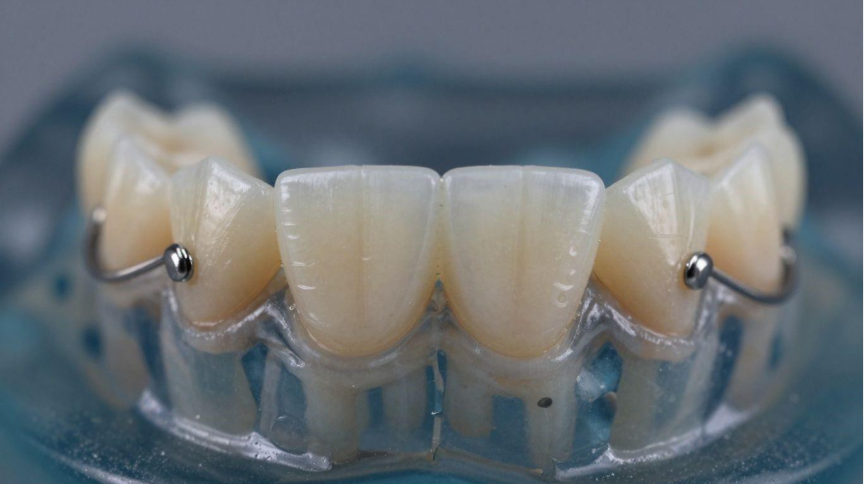
Losing teeth can be a bummer, affecting how you eat, speak, and even how you feel about your smile. Thankfully, there are ways to fill those gaps. Partial dentures are one option that can help replace missing teeth. They're designed to fit in with your remaining natural teeth, making your smile look more complete. This article will walk you through what a partial denture is, the different kinds available, and what might work best for you.
Key Takeaways
- A partial denture is a dental appliance made to replace one or more missing teeth, fitting alongside natural teeth.
- There are various types of partial dentures, including removable ones like acrylic, cast metal, and flexible options, as well as fixed partial dentures (bridges).
- Removable partial dentures use the remaining teeth for support and can be taken out for cleaning.
- Fixed partial dentures, often called bridges, are permanently attached to adjacent teeth or implants.
- The best type of partial denture depends on individual needs, budget, and preferences for comfort and appearance.
What Are Partial Dentures and When Are They Used?
When you're missing one or more teeth, it can really affect how you eat, speak, and even how you feel about your smile. That's where partial dentures come in. So, what is a partial denture? It's basically a dental appliance designed to fill in those gaps left by missing teeth, while still using your remaining natural teeth for support. They're a great option when you haven't lost all of your teeth, unlike full dentures which are for when all teeth are gone.
Think of them as custom-made replacements that blend in with your existing smile. They're not just about looks, though. They help you chew food properly and can prevent your other teeth from shifting into the empty spaces. This shifting can cause problems down the line, so a partial denture helps keep everything in place.
When might you need one? Dentists often recommend partial dentures when a person has lost a few teeth, but still has a good number of healthy natural teeth remaining. These remaining teeth are key because they help anchor the partial denture, making it stable. It's a way to restore function and appearance without needing to replace every single tooth.
Sometimes people wonder about a permanent partial denture. While most partial dentures are removable for cleaning, the term can sometimes refer to fixed options like bridges or implant-supported prosthetics that aren't taken out daily. However, the most common type of partial denture is the removable kind, which is made to fit snugly over your natural teeth and gums. You might be curious about what is a partial denture look like, and generally, they consist of replacement teeth attached to a base that matches your gum color, often with a metal or acrylic framework and clasps to hold them in place.
Key Benefits of Partial Dentures for Patients
Partial dentures can really make a difference for folks missing one or more teeth. They're not just about filling a gap, though that's a big part of it. One of the main advantages is how they help you chew and speak more normally. When you have missing teeth, especially in the back, it can make biting and talking a real challenge. Partial dentures provide a stable surface to help with that.
Beyond just function, they also help keep your remaining natural teeth in place. Think of them like a support system. Without a partial, your other teeth might start to shift or drift into the empty spaces, which can cause bite problems and make cleaning harder. A well-fitting partial denture helps maintain the alignment of your existing teeth.
Another thing people notice is how much better they feel about their smile. Missing teeth can affect your confidence, and a partial denture can restore that. They're made to look like your natural teeth, so most people won't even know you're wearing one.
- Improved Chewing and Speaking: They restore the ability to eat a wider variety of foods and speak clearly.
- Maintained Tooth Alignment: They prevent remaining natural teeth from shifting into empty spaces.
- Enhanced Appearance: They restore your smile and boost self-confidence.
- Preservation of Jawbone: While not as effective as implants, they can offer some support that helps slow down bone loss compared to having no replacement.
It's important to remember that partial dentures are custom-made. This means they're designed specifically for your mouth, taking into account the shape of your jaw and the position of your remaining teeth. This personalization is what makes them so effective at improving both comfort and function.
The Main Types of Partial Dentures Explained
When you're looking at options for missing teeth, there are a few main types of partial dentures that dentists commonly use. These aren't one-size-fits-all; they're designed to fit your specific situation.
One common category is the cast metal partial denture. This type uses a metal framework, often made from a strong alloy like cobalt-chromium. It's known for being quite durable and fitting very precisely. The artificial teeth and gum-colored base are then attached to this metal structure. Because of the metal base, these tend to be quite stable and efficient for chewing.
Then you have the metal-free or flexible options. These are often made from acrylic or a more flexible resin material. They can be a good choice if you prefer to avoid metal or if you have certain sensitivities. Flexible partials, for example, don't have those rigid metal clasps and can feel more comfortable against the gums. However, they might not be as rigid as metal ones, which can sometimes affect chewing efficiency, especially if you're replacing a longer span of teeth.
There are also what's called a fixed partial denture, which is essentially a dental bridge. This isn't removable by the patient. It involves placing crowns on the teeth next to the gap and then attaching artificial teeth between them. It's a more permanent solution because it's cemented in place.
- Cast Metal Partial Dentures: Strong, precise fit, good for chewing.
- Acrylic Partial Dentures: Often a more budget-friendly option, but can be bulkier.
- Flexible Partial Dentures: Comfortable, metal-free, but may have less chewing stability.
- Fixed Partial Dentures (Bridges): Cemented in place, not removable by the patient.
The best type of partial denture for you really depends on how many teeth are missing, where they are, the health of your remaining teeth and jawbone, and what you find most comfortable and functional for your daily life.
Choosing between these different types of partial dentures for missing teeth involves considering how they look, how they feel, and how well they'll work for you long-term. It's a conversation to have with your dentist to figure out the best fit.
How Partial Dentures Are Customized for Comfort and Function
Getting a partial denture isn't just about picking one off the shelf. It's a whole process designed to make sure it fits just right and works well for you. Think of it like getting a custom suit – it needs to be tailored to your specific needs.
First off, your dentist will take a really close look at your mouth. They'll check out your remaining teeth, your gums, and even the shape of your jaw. This is super important because your natural teeth are going to help hold the partial denture in place. The way these natural teeth are positioned can affect how stable the denture is and how well you can chew.
Then comes the impression. This is basically a mold of your mouth. It’s a key step because it captures the exact shape and contours of your teeth and gums. This mold is what the lab uses to create your custom partial. The goal is to make something that feels natural and doesn't cause any irritation.
Materials play a big role too. Dentures can be made with different things, like metal frameworks or more flexible, metal-free materials. The choice often depends on what works best for your mouth and what you're comfortable with. For example:
- Metal Frameworks: These are often really sturdy and can provide a very precise fit. They're great for chewing efficiency but might feel a bit more rigid.
- Flexible Materials: These are lighter and can be more comfortable for some people, especially if they can't tolerate metal clasps. They tend to look more natural but might flex a bit when you chew.
- Hybrid Designs: Sometimes, a mix of materials is used. This can combine the strength of a metal base with the comfort of flexible parts, aiming for the best of both worlds.
After the lab makes the denture based on the mold and material choice, you'll come back for a fitting. This is where the dentist checks how it feels, how it looks, and how well you can bite and speak with it. They might make small adjustments right then and there to make sure it's comfortable and functions properly. It’s all about getting that perfect fit so you can eat, talk, and smile with confidence.
The entire customization process is a collaboration between you, your dentist, and the dental lab. It’s about creating a solution that not only looks good but also feels good and helps you maintain your oral function day in and day out.
Comparing Partial Denture Options: What Matters Most to Patients
When it comes to picking out the right partial denture, it can feel like a lot to sort through. You've got different materials, different ways they fit, and of course, different price points. Ultimately, the best choice for you really comes down to what's most important in your daily life.
Think about what you want most. Is it a super secure fit that lets you chew anything without a second thought? Or is it a more natural look and feel, especially if you're concerned about visible clasps? Some people can't stand the feel of metal, while others find flexible materials don't offer enough stability for their liking.
- Stability vs. Comfort: Metal framework partials tend to be more stable and better for chewing tougher foods. Flexible partials, on the other hand, can feel gentler on the gums but might flex a bit when you bite down.
- Appearance vs. Durability: While some materials offer a more natural look, they might not be as tough as others. It's about finding that sweet spot for your smile and your lifestyle.
- Cost vs. Longevity: Cheaper options might seem appealing upfront, but they could need replacing sooner. Investing a bit more might mean a denture that lasts longer and feels better over time.
The goal is to find a partial denture that not only looks good but also feels comfortable and works well for all your daily activities, from eating to talking.
It's also worth remembering that your natural teeth play a big role. The way they're positioned can help support the partial denture, making it more stable. A good fit means the denture uses these existing teeth effectively to prevent it from moving around too much.
Making the Right Choice for Your Smile
So, there are quite a few ways to go about replacing missing teeth with partial dentures. Whether you're looking at the sturdier metal-based options, the more flexible, metal-free choices, or even the budget-friendly acrylics, each has its own set of pros and cons. It really comes down to what works best for your mouth, your lifestyle, and your budget. The best next step is to chat with your dentist. They can look at your specific situation, explain the options in detail, and help you figure out which type of partial denture will give you back your smile and make eating and talking easier. Don't hesitate to ask questions – that's what they're there for!
Frequently Asked Questions
What exactly are partial dentures?
Partial dentures are special devices made to fill in the spaces left by missing teeth. They are designed to look and feel like your natural teeth, helping to restore your smile and make it easier to eat and speak.
Are there different kinds of partial dentures?
Yes, there are several types of partial dentures. They are usually made from materials like acrylic (plastic), cast metal, or a flexible material. Each type has its own advantages and disadvantages, and a dentist can help figure out which one is best for a person's needs.
What's the difference between metal and flexible partial dentures?
Metal partial dentures often have a strong metal frame that fits snugly and provides good support for chewing. Flexible partial dentures are made from a softer, bendable plastic and don't use metal clasps, which some people find more comfortable and better looking.
How long do partial dentures usually last?
The lifespan of partial dentures can vary. Generally, they can last for several years. However, factors like how well they are cared for, the materials they are made from, and changes in the mouth can affect how long they remain in good condition.
Can partial dentures be adjusted if they feel uncomfortable?
Yes, often partial dentures can be adjusted by a dentist to improve comfort and fit. If a partial denture feels loose, rubs in a certain spot, or causes any discomfort, it's important to schedule a visit with the dentist to have it checked and modified.
How should someone care for their partial dentures?
Taking care of partial dentures is important for their longevity and oral hygiene. They should be cleaned daily, usually by brushing them gently with a soft toothbrush and non-abrasive cleaner. It's also recommended to remove them at night and soak them in a denture solution, as advised by a dentist.
Blog Post Author

Contributed by DentalROI
DentalROI provides relevant dental content to help providers educate patients. The statements, services, and products referenced in this article have not been evaluated by the Food and Drug Administration, and they are not intended as a substitute for professional medical advice, diagnosis, or treatment. Always seek the advice of your dental provider with any questions or issues you may have. Specific recommendations may vary in different circumstances, so individual consultation is important.




 Facebook
 Twitter
 Google
 YouTube