


Understanding Crowns, Bridges, Implants, & Veneers
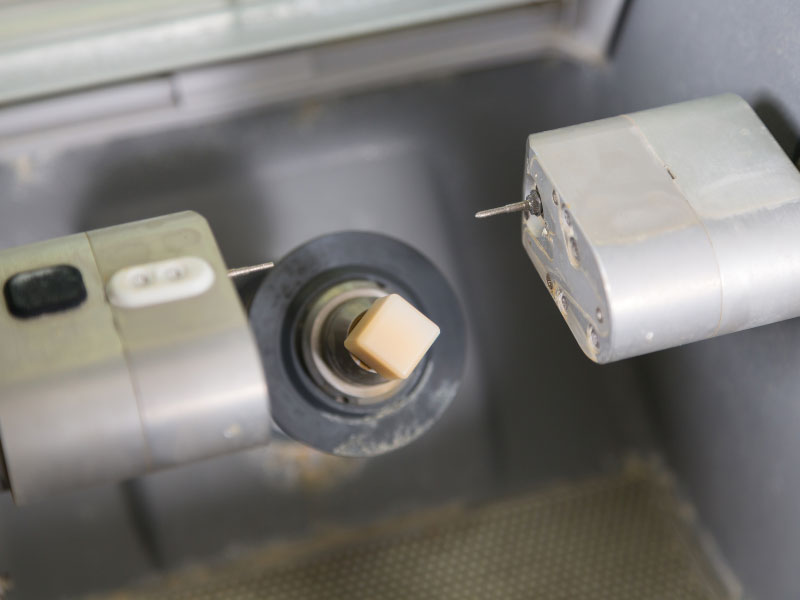
When your smile needs a little work, whether it's from damage, decay, or simply wanting a change, there are several dental options available. You may hear terms like crowns, bridges, implants, and veneers. While they may sound similar, each serves a different purpose.
Understanding the difference between dental implants, crowns, and bridges is important for making the right choice for your oral health.
Key Takeaways
- Dental crowns protect and restore damaged or weakened teeth without extraction.
- Dental bridges replace missing teeth by anchoring to neighboring teeth.
- Dental implants replace missing teeth by mimicking a natural tooth root.
- Dental veneers enhance the appearance of teeth for cosmetic reasons.
- Each option serves a different purpose based on function and aesthetics.
Dental Crowns: Strengthening and Protecting Damaged Teeth
Dental crowns are used when a tooth is damaged, cracked, worn down, or weakened by decay. A crown covers the entire visible portion of the tooth, restoring its shape, strength, and function.
Crowns are especially useful for teeth that have undergone root canal treatment, as these teeth can become more fragile over time.
- Protect weakened teeth from further damage
- Restore shape, strength, and chewing function
- Improve appearance of discolored or misshapen teeth
The procedure typically involves preparing the tooth, taking impressions, and placing a custom-made crown for long-term durability.
Dental Bridges: Replacing Missing Teeth Using Neighboring Support
A dental bridge is designed to fill the gap created by one or more missing teeth. It uses the surrounding teeth as anchors to hold the artificial tooth in place.
Bridges help restore proper chewing, speaking, and prevent remaining teeth from shifting.
- Uses crowns on adjacent teeth for support
- Restores bite alignment and function
- Provides a fixed, non-removable solution
Dental bridges are commonly made from porcelain, metal, or a combination of materials for strength and natural appearance.
Dental Implants: A Long-Term Solution for Missing Teeth
Dental implants are considered one of the most durable and natural-feeling solutions for missing teeth. They consist of a titanium post surgically placed into the jawbone.
Once healed, a crown is attached to the implant, functioning just like a natural tooth.
- Acts as an artificial tooth root
- Prevents jawbone loss
- Feels and functions like a natural tooth
- Can last a lifetime with proper care
Implants require sufficient bone density and a healing period, but they offer unmatched stability and longevity.
Dental Veneers: Cosmetic Enhancement for a Better Smile
Dental veneers are thin shells bonded to the front surface of teeth. They are primarily used to improve the appearance of teeth rather than restore function.
Veneers are ideal for patients with healthy teeth who want cosmetic improvements.
- Cover deep stains and discoloration
- Fix minor chips or uneven edges
- Close small gaps between teeth
- Improve symmetry and smile aesthetics
Porcelain veneers are popular due to their natural appearance and stain resistance.
Comparing Crowns, Bridges, Implants, and Veneers
Each dental treatment serves a unique purpose depending on the condition of your teeth and your goals.
- Crowns strengthen damaged teeth
- Bridges replace missing teeth using neighboring teeth
- Implants replace missing teeth with a root-based solution
- Veneers improve cosmetic appearance only
Implants differ from bridges by replacing the tooth root itself, helping preserve jawbone health.
Wrapping Up Your Smile Options
Crowns, bridges, implants, and veneers all play an important role in dental care. The right choice depends on whether your goal is restoration, replacement, or cosmetic enhancement.
A consultation with your dentist will help determine the best solution based on your oral health, budget, and long-term goals.
Frequently Asked Questions
What is the difference between a crown and a veneer?
A crown covers the entire tooth for strength and protection, while a veneer only covers the front surface for cosmetic improvement.
Can bridges replace multiple missing teeth?
Yes, bridges can replace one or more missing teeth by anchoring to neighboring teeth.
How long does a dental implant take?
The implant process typically takes several months, allowing time for the implant to fuse with the jawbone.
Are veneers suitable for damaged teeth?
Veneers are best for healthy teeth with cosmetic issues. Severely damaged teeth usually require crowns.
What is recommended after a root canal?
A dental crown is usually recommended to protect and strengthen the treated tooth.
Which option lasts the longest?
Dental implants are the most permanent option and can last a lifetime with proper care.
Blog Post Author

Contributed by DentalROI
DentalROI provides relevant dental content to help providers educate patients. The statements, services, and products referenced in this article have not been evaluated by the Food and Drug Administration, and they are not intended as a substitute for professional medical advice, diagnosis, or treatment. Always seek the advice of your dental provider with any questions or issues you may have. Specific recommendations may vary in different circumstances, so individual consultation is important.





 Facebook
 Twitter
 Google
 YouTube