


The Secret Cost of Losing Teeth

People still don't think that losing teeth is a big enough threat to their oral health in the long run. When a tooth is missing, it causes a chain reaction of biological and structural changes that go beyond how it looks. When a tooth root doesn't give the jawbone the mechanical stimulation it needs, it starts to break down. When teeth are next to each other, the forces of biting change, and over time, the shape of the face may change a little. Removable dentures and dental bridges are only temporary fixes; they don't really fix the problem on a structural level.
Implant dentistry has changed what can be done in restorative care today. Dental implants not only fill in a gap, but they also rebuild the structure that was there before. This method changes your life by bringing back both function and form with a level of accuracy that no other treatment can match.
What You Should Know
- The area around a tooth changes a lot when it is pulled or lost. Bone resorption starts almost right away, and in the first year, it can cut the amount of bone by 25%. This loss affects height and width, reducing stability for future restorations.
- The gum–tooth interface is equally important. Conditions like periodontitis cause inflammation, tissue detachment, and bone loss, reducing implant success. Uncontrolled diabetes and smoking slow healing and osseointegration.
Why Not Just Get a Bridge or Denture?
- Fixed bridges require permanently altering healthy adjacent teeth and offer no bone preservation.
- Removable dentures depend on soft tissue and often accelerate bone loss.
- Implants integrate directly with the bone, maintain bone health through stimulation, and do not rely on neighboring teeth or adhesives.
Accuracy At The Molecular Level
Scientists have been studying biomaterials and biomechanics for decades, leading to today's advanced dental implants. Most implants use surgical-grade titanium, known for biocompatibility and the ability to fuse with bone. Zirconia implants provide a metal-free, aesthetic alternative, though long-term data continues to evolve.
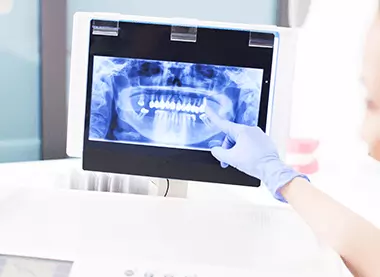
Placement is methodical and precise. Using CBCT imaging and digital modeling, doctors map implant position, bone quality, and nerve pathways. After healing and local anesthesia, the implant is inserted and later restored with a custom crown or bridge that looks and functions like a natural tooth.
What Makes Dental Implants Better Than Other Options
- They restore full chewing ability, supporting healthier food choices.
- Speech improves as the tongue regains stable reference points.
- Patients report high satisfaction because implants feel natural.
- They preserve facial structure by maintaining alveolar bone levels, preventing the sunken appearance caused by long-term tooth loss.
Not All Cases Are Perfect, But Most Are
- Good bone volume, healthy gums, and stable systemic health are essential.
- Bone grafting may be required when significant bone loss exists.
- Untreated periodontitis or uncontrolled medical conditions must be addressed first.
- Patient commitment to oral hygiene and regular dental care increases long-term success.
A Long-Term Investment in Your Teeth
With proper care, dental implants can last decades. Success rates exceed 90–95% over 10 years, and many implants last a lifetime. Long-term success depends not only on surgery but on diligent maintenance.
Implants themselves do not decay, but they can develop peri-implantitis—an inflammatory condition similar to periodontitis. Consistent home care and professional monitoring are vital.
Final Thoughts
Getting a new tooth is more than cosmetic—it restores structure, function, and long-term oral stability. While bridges and dentures have their place, only dental implants replace an entire tooth from root to crown.
For patients who meet clinical requirements and want a durable, science-backed solution, dental implants are the gold standard in modern restorative dentistry.
Call 385-233-9823 to set up a one-on-one meeting to see if implant therapy is right for you.
Blog Post Author

Contributed by DentalROI
DentalROI provides relevant dental content to help providers educate patients. The statements, services, and products referenced in this article have not been evaluated by the Food and Drug Administration, and they are not intended as a substitute for professional medical advice, diagnosis, or treatment. Always seek the advice of your dental provider with any questions or issues you may have. Specific recommendations may vary in different circumstances, so individual consultation is important.




 Facebook
 Twitter
 Google
 YouTube