


How to Clean a Mouth Guard Properly: Step-by-Step Guide
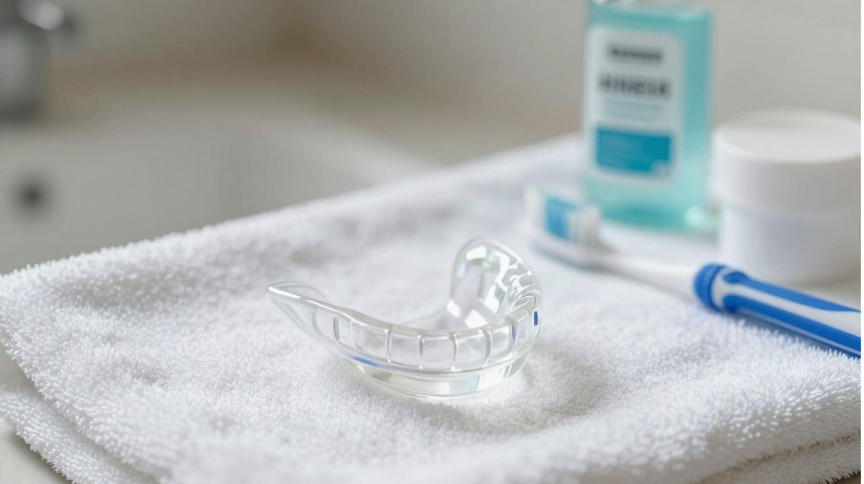
A dental mouth guard is a pretty important thing to have, whether you're playing sports, grinding your teeth at night, or just had some dental work done. It helps keep your teeth safe. But just like anything else, your mouth guard can get dirty. If you don't clean it right, it can stop working well, lose its shape, or even become a place for yucky bacteria to grow. This guide will walk you through how to clean your mouth guard properly so it stays effective and hygienic.
Key Takeaways
- Rinse your mouth guard with cool or lukewarm water right after you use it to get rid of saliva and debris.
- Gently brush the mouth guard daily using a soft toothbrush and mild soap or non-abrasive toothpaste.
- Occasionally, deep clean your mouth guard by soaking it in a special cleaning solution or a natural mix like baking soda and water.
- Always let your mouth guard dry completely before storing it in a clean, ventilated case to prevent mold and bacteria.
- Avoid using hot water, harsh chemicals, or abrasive cleaners, and replace your mouth guard when it shows signs of wear and tear.
Why Proper Mouth Guard Cleaning Matters
It might seem like a small thing, but keeping your mouth guard clean is pretty important. Think of it as your smile's bodyguard. Whether you wear one for sports to prevent injuries or at night to stop teeth grinding, a clean mouth guard works best. When it's not cleaned regularly, it can start to collect all sorts of things, like bacteria and leftover bits from your mouth. This can lead to some not-so-great outcomes.
A dirty mouth guard can become a breeding ground for germs. This isn't just about a bad smell or taste, though that's unpleasant enough. It can actually lead to health issues. Plus, a neglected mouth guard might not fit as well or protect as effectively, meaning you might need to replace it sooner than you should. Taking just a little time each day to rinse and clean it can save you trouble down the road.
Here’s what can happen if you skip the cleaning:
- Germ buildup: Bacteria and even fungi can grow on a moist, unclean mouth guard.
- Unpleasant odors and tastes: Nobody wants that.
- Reduced effectiveness: The material can break down faster, and it might not offer the same level of protection.
- Potential discomfort: A dirty guard can feel gross and uncomfortable to wear.
Taking care of your mouth guard is a simple step that makes a big difference in keeping it functional and hygienic. It's a small effort for the protection it provides.
What Happens If a Mouth Guard Isn’t Cleaned Properly
Not cleaning your mouth guard regularly can lead to a few unpleasant issues. Think of it like any other item that sits in a moist environment – it can become a breeding ground for unwanted guests. Bacteria and fungi can start to grow on the surface and inside any tiny crevices.
This buildup isn't just gross; it can actually cause problems. Persistent odors and discoloration are common signs that your mouth guard needs a good cleaning. Beyond just smelling bad, these microorganisms could potentially lead to infections in your mouth. Over time, the material itself can start to break down faster if it's constantly exposed to bacteria and plaque, meaning it might not protect as well as it should.
Here are some things that can happen:
- Bacterial and Fungal Growth: A damp mouth guard is an ideal spot for germs to multiply.
- Unpleasant Odors and Stains: Neglecting cleaning can result in a guard that smells and looks less than fresh.
- Reduced Effectiveness and Lifespan: The material can degrade, and a poor fit can develop, making the guard less protective.
If you notice your mouth guard developing a persistent smell or discoloration that doesn't go away with cleaning, or if it starts to feel uncomfortable or fit poorly, it might be time to pay closer attention to its care or consider a replacement.
Ultimately, a dirty mouth guard is less effective and can even become a source of oral health problems instead of a protector.
Step-by-Step Guide: How to Clean a Mouth Guard Properly
Keeping your mouth guard clean is pretty straightforward once you get into a routine. It's not complicated, but doing it right makes a big difference in keeping it fresh and effective. Here’s how to tackle how to clean your mouth guard.
Daily Cleaning
This is your go-to for after every use. Think of it like brushing your teeth – something you do regularly.
- Rinse it off: As soon as you take it out, give it a good rinse under lukewarm water. This washes away saliva, any bits of food, and general gunk before it has a chance to stick.
- Gentle Scrub: Grab a soft-bristle toothbrush (maybe one you keep just for this purpose) and a tiny bit of mild soap or non-abrasive toothpaste. Gently brush all surfaces of the mouth guard. Get into the nooks and crannies. You're just trying to dislodge anything that's clinging on.
- Final Rinse: Rinse it thoroughly again with lukewarm water to make sure all the soap or toothpaste is gone. You don't want any leftover taste.
- Air Dry: Pat it dry with a clean towel or just let it air dry completely on a clean surface. Don't put it away wet.
Weekly Deep Clean
Once a week, or whenever you feel it needs a little extra attention, you can do a deeper clean. This helps tackle any lingering odors or buildup.
- Soaking Solution: You can use a special mouth guard or denture cleaning tablet. Just follow the package directions – usually, it involves dissolving a tablet in lukewarm water and letting the mouth guard soak for about 10-20 minutes. This helps kill off more germs and freshen it up.
- Vinegar or Baking Soda (Natural Options): For a more natural approach to how to clean dental mouth guard, you can try a soak in a mixture of equal parts white vinegar and water for about 30 minutes. Alternatively, a paste made from baking soda and water can be gently brushed onto the guard, then rinsed off. These can help with odors and mild stains.
- Rinse and Dry: After soaking, give it another gentle brush and a thorough rinse. Then, let it air dry completely.
Storage
Once your mouth guard is clean and totally dry, store it in a clean, ventilated case. This keeps it protected and helps prevent moisture from building up, which is where bacteria love to hang out. Make sure to clean the case itself regularly too!
The key to a clean mouth guard is consistency. A quick rinse and brush after each use, plus a deeper clean weekly, will keep it hygienic and functional for a long time. Avoid harsh chemicals and hot water, as they can damage the material.
What to Avoid When Cleaning a Mouth Guard
When it comes to keeping your mouth guard clean and functional, there are a few things you'll want to steer clear of. Doing the wrong thing can actually damage the guard, making it less effective or even unusable.
First off, never use hot water. Think about it – mouth guards are often made of plastic or acrylic materials that can warp or change shape when exposed to high heat. This means that perfectly fitted guard could become misshapen, leading to discomfort or a poor fit, which defeats its purpose. Always stick to lukewarm or cool water for rinsing and cleaning.
Another common mistake is using harsh cleaning agents. Things like bleach, alcohol-based mouthwashes, or abrasive cleaners can break down the material over time. This can not only damage the guard but also leave behind residues that aren't good for your mouth. It's best to stick to mild soaps, non-abrasive toothpaste, or specialized mouth guard cleaning solutions.
Here's a quick rundown of what to avoid:
- Hot Water: Causes warping and changes the shape.
- Harsh Chemicals: Such as bleach or alcohol-based products, which can degrade the material.
- Abrasive Cleaners: Including gritty toothpastes or scouring pads, which can scratch the surface.
- Boiling: Exposing the mouth guard to boiling temperatures will definitely ruin its shape.
- Direct Sunlight or High Heat: Leaving it in a hot car or direct sun can also cause damage.
It's important to remember that your mouth guard is a medical device designed for a specific fit. Treating it gently with the right cleaning methods will help it last longer and do its job effectively.
How Often Should a Mouth Guard Be Replaced
Mouth guards are a pretty important piece of equipment, whether you're hitting the field for a game or just clenching your jaw at night. They do a great job protecting your teeth and jaw. But, like anything you use regularly, they don't last forever. Knowing when it's time for a new one is key to making sure it's still doing its job effectively.
Generally, you'll want to think about replacing your mouth guard every 6 to 12 months. This timeframe can change a bit depending on how often you use it and how well you take care of it. A mouth guard that's used daily for sports will likely need replacing sooner than one used only a few nights a week for grinding.
Here are some signs that tell you it's probably time for a fresh one:
- Visible Wear and Tear: Look for any cracks, tears, or rough spots. If you see holes or if the material seems thinner in places, it's not offering the protection it should.
- Loose Fit or Discomfort: If your mouth guard starts feeling loose, doesn't fit snugly anymore, or feels uncomfortable when you wear it, it's likely lost its shape and needs to be swapped out.
- Persistent Odor or Taste: Even with regular cleaning, if your mouth guard develops a persistent bad smell or taste that just won't go away, it could be a sign of deep-seated bacterial growth that can't be fully removed.
- Changes in Appearance: A yellowish or cloudy appearance, especially if it wasn't like that before, can sometimes indicate that the material is breaking down.
Regularly checking your mouth guard for these signs is a simple way to ensure it continues to protect you properly. Don't wait until it's obviously falling apart; proactive replacement keeps your smile safe.
Bringing your mouth guard to your regular dental check-ups is also a good idea. Your dentist can give it a good look, assess its condition, and let you know if it's time for a replacement. They can also help ensure it still fits correctly, which is super important for it to work as intended.
Keeping Your Mouth Guard in Top Shape
So, taking care of your mouth guard isn't really that complicated. A little bit of rinsing after you use it, a quick brush with some mild soap, and making sure it dries out before it goes back in its case can make a big difference. Doing this regularly helps keep nasty germs from growing on it and stops it from getting that funky smell. Plus, a well-cared-for mouth guard will last longer and do a better job protecting your teeth. If you ever notice it's looking worn out, cracked, or just doesn't fit right anymore, it's probably time to think about getting a new one. When in doubt, your dentist is always the best person to ask for advice on keeping your mouth guard clean and effective.
Frequently Asked Questions
Why is it important to clean a mouth guard?
Cleaning a mouth guard is crucial because it helps prevent the growth of bacteria and other germs. A dirty mouth guard can lead to bad breath, infections in the mouth, and can even make the mouth guard break down faster. Keeping it clean ensures it stays effective and safe to use.
What's the best way to clean a mouth guard daily?
After each use, rinse the mouth guard with cool or lukewarm water. Then, gently brush it with a soft toothbrush and mild soap or non-abrasive toothpaste. Make sure to rinse off all the soap or toothpaste afterward.
How often should a mouth guard be deep cleaned?
A deep clean is recommended at least once a week, or whenever you notice it needs a little extra attention. This can involve soaking it in a special cleaning solution made for mouth guards or dentures, following the product's instructions.
What should I avoid when cleaning my mouth guard?
You should never use hot water, as it can warp the mouth guard and ruin its shape. Also, avoid harsh chemicals like bleach or alcohol-based products, and abrasive cleaners or toothpaste that can scratch the surface.
How should a mouth guard be stored?
After cleaning and thoroughly drying the mouth guard, it should be stored in a clean, ventilated case. This helps prevent moisture buildup, which can encourage bacterial growth, and keeps the guard safe from damage or loss.
When should a mouth guard be replaced?
A mouth guard should be replaced if it shows signs of wear, such as cracks, tears, or thinning. If it starts to feel loose, causes discomfort, or has a persistent odor that cleaning doesn't fix, it's likely time for a new one. Consulting your dentist can help determine when replacement is needed.
Blog Post Author

Contributed by DentalROI
DentalROI provides relevant dental content to help providers educate patients. The statements, services, and products referenced in this article have not been evaluated by the Food and Drug Administration, and they are not intended as a substitute for professional medical advice, diagnosis, or treatment. Always seek the advice of your dental provider with any questions or issues you may have. Specific recommendations may vary in different circumstances, so individual consultation is important.




 Facebook
 Twitter
 Google
 YouTube