


How Long to Keep Gauze in After Tooth Extraction
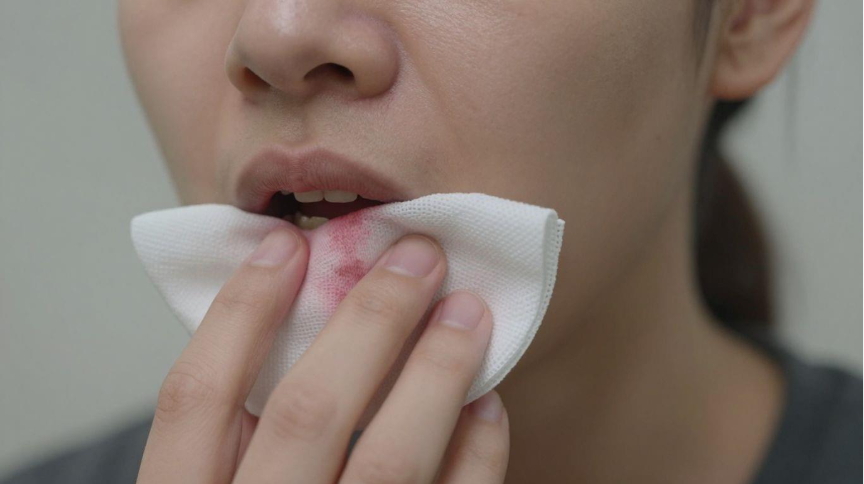
Having a tooth pulled can be a bit unsettling, and you'll probably have a lot of questions afterward, especially about recovery. One common question is about the gauze pad placed in your mouth. It's there for a reason, and knowing how long to keep it in is important for healing properly. Let's go over what you need to know about gauze after a tooth extraction.
Key Takeaways
- After a tooth extraction, you'll typically bite on gauze for about 30-45 minutes to help stop bleeding and start forming a blood clot. This is a key step in knowing how long to keep gauze in after wisdom tooth extraction.
- If bleeding continues, replace the gauze every 30-45 minutes, applying gentle pressure. The goal is to keep the gauze in mouth after tooth extraction until the oozing slows significantly.
- Once bleeding is minimal and gauze stays mostly dry, you can likely stop using it. This means the initial healing is starting and it's time to let your body take over.
- Using gauze for too long can actually hinder healing and increase the risk of complications like dry socket. Following specific dentist instructions on how long to keep in gauze after tooth extraction is important.
- Proper care after removing gauze includes gentle rinsing with salt water, avoiding straws and smoking, and eating soft foods to protect the healing site.
Why Gauze Matters After a Tooth Extraction
After you've had a tooth removed, you'll likely be given some gauze to bite down on. This isn't just a random step; it plays a pretty important role in your recovery. The main job of that gauze is to help stop the bleeding and get the healing process started. When you bite down, it puts gentle pressure on the extraction site. This pressure encourages a blood clot to form. Think of that clot like a natural bandage – it's the first step your body takes to seal up the area.
Besides stopping bleeding, the gauze is also absorbent. It soaks up any excess blood and saliva. This can be helpful, but sometimes it can make it look like you're bleeding more than you actually are, especially if the blood mixes with saliva. So, if you see a lot of wetness, don't panic right away.
Knowing how long to keep gauze in after a tooth extraction, or how long to keep in gauze after tooth extraction, is key. Leaving it in too long can actually slow things down, but not using it enough means you might not get that clot to form properly. It's a bit of a balancing act. The goal is to manage bleeding and protect that fresh extraction site while letting your body do its healing work. This initial step is really about setting the stage for everything that follows, influencing how smoothly things go when you're figuring out how long to keep gauze in after wisdom tooth extraction or any other tooth removal.
The gauze pad is your first line of defense against excessive bleeding and helps kickstart the body's natural healing response by promoting clot formation.
What Happens After a Tooth Is Removed
Once a tooth is out, your body immediately starts the healing process. The first thing you'll notice is bleeding from the socket where the tooth used to be. This is totally normal and is why gauze is usually placed right away. The goal is to apply gentle pressure to help a blood clot form in that empty space. This clot is super important because it acts like a protective barrier, shielding the underlying bone and nerves while everything starts to mend.
Over the next few days, you can expect some swelling and maybe a little discomfort around the extraction site. It's common for bruising to appear on your cheek or jawline, too, especially if you're prone to bruising or take certain medications. You might also feel some sharp edges in your mouth; often, this is just the natural bone structure of the socket that will eventually be covered by new gum tissue. Small bone fragments might even work their way out over the first few weeks, which is usually nothing to worry about.
Your gum tissue will begin to close over the socket, typically within the first week or so. Full healing can take a few weeks, but the initial stages are all about protecting that critical blood clot and letting the soft tissues start their repair work. It's a pretty amazing biological process, really.
- The formation of a blood clot is the first major step in healing.
- Swelling and bruising are common and usually decrease after a few days.
- New gum tissue will start to grow over the extraction site.
It's important to remember that everyone heals a bit differently. What feels normal for one person might be slightly different for another. Paying attention to your body and following the specific aftercare instructions you receive is key to a smooth recovery.
During this time, avoiding anything that could dislodge the clot, like drinking through a straw or smoking, is really important. You'll also want to be gentle with your mouth, sticking to soft foods and avoiding vigorous rinsing for a while. This careful approach helps support the natural healing that's already underway after a tooth extraction.
When to Stop Using Gauze—and What Comes Next
After your tooth extraction, you'll likely be biting down on some gauze. This is a pretty standard part of the process to help manage bleeding and get that important blood clot started. But how long do you actually need to keep it there?
Generally, you can expect to keep the initial gauze in for about 30 to 45 minutes. During this time, biting down gently but firmly helps apply pressure to the extraction site. When you change it out, check how much blood is soaking through. If it's still pretty wet, swap it for a fresh piece and bite down again for another 30 to 45 minutes.
So, when is it time to say goodbye to the gauze? The main sign is when the gauze you're changing out is no longer soaking through with blood. A little bit of oozing is normal for a while, but if the gauze stays relatively clean and dry after a few changes, it means a clot is forming and healing is beginning. This usually happens within a few hours after the procedure.
Here’s a quick rundown of what to look for:
- Bleeding Subsides: The gauze changes from being heavily soaked to only slightly damp or dry.
- Clot Formation: You can see or feel that a clot is starting to form over the extraction site.
- Comfort: You feel comfortable removing the gauze without significant bleeding resuming.
If you've followed these steps and the bleeding is still heavy after several hours (think more than 4 hours post-surgery), it's a good idea to give your dentist a call. Sometimes, a damp tea bag can help with clotting if bleeding persists, but it's always best to check in with your dental professional if you're concerned.
Once you've stopped using gauze, the next steps are all about protecting that healing site. You'll want to avoid anything that could dislodge the blood clot, like
- Using straws
- Spitting forcefully
- Rinsing your mouth vigorously
- Smoking
These actions can lead to a painful condition called dry socket, where the clot is dislodged, exposing the bone and nerves. If you experience severe pain, bad breath, or a bad taste in your mouth, contact your dentist right away, as this could be a sign of dry socket.
After you've transitioned away from gauze, focus on gentle care. Rinsing with warm salt water a few times a day can help keep the area clean. Stick to soft foods for a few days to avoid irritating the extraction site. Remember, your dentist will provide specific instructions tailored to your situation, so always follow their guidance for the smoothest recovery.
Benefits of Following Proper Gauze Guidelines
Using gauze correctly after a tooth extraction isn't just about stopping the immediate bleeding; it plays a bigger role in how well you heal. When you bite down on gauze, you're applying gentle pressure that helps a blood clot form. This clot is like your body's natural bandage, protecting the open socket.
Sticking to the recommended time for gauze use helps ensure this clot stays put and develops properly. If you use gauze for too long, or change it too often without letting the clot establish, it can actually delay healing. On the flip side, removing it too soon before the bleeding has mostly stopped can also cause problems.
Here’s why following the guidelines is so important:
- Promotes Clot Formation: The pressure from biting on gauze encourages the initial blood clot to form, which is the first step in healing.
- Minimizes Bleeding: Proper gauze use helps to control and reduce bleeding, making you more comfortable.
- Reduces Risk of Complications: By allowing a stable clot to form and protecting the site, you lower the chances of developing issues like a dry socket or infection.
Over-reliance on gauze can actually hinder the healing process. Once the initial bleeding subsides and a clot has formed, it's best to let your mouth begin its natural healing without constant gauze intervention.
If you're unsure about how long to keep the gauze in or if you're experiencing prolonged bleeding, it's always a good idea to check in with your dentist. They can provide specific advice based on your situation.
Additional Healing Tips That Support Gauze Use
Once you've moved past the initial gauze stage, there are several things you can do to help your mouth heal smoothly. Think of these as gentle nudges to your body's natural repair process.
- Rest is key: Try to take it easy for the first 24 to 48 hours. Avoid any strenuous activities or heavy lifting. Your body needs energy to heal, and overexerting yourself can increase blood pressure, potentially leading to more bleeding at the extraction site.
- Hydration matters, but carefully: Drink plenty of water, but steer clear of straws. Sipping through a straw creates suction that can dislodge the crucial blood clot forming in the socket. Stick to gentle sips directly from a glass.
- Dietary adjustments: For the first few days, stick to soft foods. Think yogurt, smoothies (again, no straws!), mashed potatoes, or soup. Avoid anything hard, crunchy, or spicy that could irritate the extraction site or get stuck.
It's really important to avoid spitting forcefully or rinsing your mouth vigorously in the days following your extraction. These actions can disrupt the healing clot, causing bleeding to restart or even leading to a painful condition known as dry socket.
Applying a cold compress to the outside of your cheek can help manage swelling and discomfort in the first day or two. After that, switching to a warm compress might feel more soothing. Remember to change your gauze as needed, but once bleeding has significantly slowed and the gauze stays relatively clean and dry, it's usually a good sign that you can stop using it. If you're ever unsure or concerned about bleeding, don't hesitate to reach out to your dental professional for guidance.
Wrapping Up Gauze Use After Extraction
So, how long should that gauze stick around after your tooth comes out? Generally, you'll want to keep it in for about 30 to 45 minutes at first, biting down gently. If bleeding continues, swap it out for fresh gauze every half hour or so. The main goal is to let a blood clot form, which is the first step in healing. Once the bleeding slows to just a little oozing, you can probably ditch the gauze. Remember, using it for too long can actually slow things down. Always follow your dentist's specific advice, as everyone heals a bit differently. If you're ever unsure or worried about bleeding, don't hesitate to give your dental team a call. They're there to help you through the recovery process.
Frequently Asked Questions
How long should someone typically keep gauze in after a tooth extraction?
After a tooth is removed, a dentist usually places a piece of gauze over the spot. The goal is to bite down gently on this gauze for about 30 to 45 minutes. This pressure helps a blood clot form, which is the first step in healing. If there's still bleeding after this time, a fresh piece of gauze can be used for another 30 to 45 minutes.
What are the signs that it's okay to stop using gauze?
You can usually tell it's time to stop using gauze when the bleeding has significantly slowed down or stopped altogether. If the gauze you change out is clean and dry, it means a blood clot is forming nicely, and your body is starting to heal. It's normal for there to be a little oozing for up to 24 hours, but if it's just slight, you can likely stop using gauze.
What happens if bleeding continues after several hours?
While some bleeding is expected for a while, if you notice bright red blood soaking through the gauze even after several hours, it's a good idea to try a damp tea bag. The natural substances in tea can help slow bleeding. If the bleeding doesn't improve or seems heavy, it's important to contact your dentist for advice.
Why is it important not to use gauze for too long?
Using gauze for too long can actually get in the way of healing. The main reason for gauze is to help stop bleeding and start the blood clot. If gauze stays in place for an excessive amount of time, it might prevent this clot from forming properly. This can lead to problems like a dry socket, which is painful and can delay healing.
What are some things to avoid after a tooth extraction to help healing?
To help the healing process and prevent complications, it's best to avoid certain actions. Don't spit forcefully or drink through a straw, as this can pull out the blood clot. Also, stay away from smoking and eating hard, crunchy, or sticky foods for a few days. These can all disrupt the healing site.
What should someone do after they stop using gauze?
Once you've stopped using gauze and the bleeding has stopped, the focus shifts to gentle care. It's recommended to rinse your mouth gently with warm salt water a few times a day to keep the area clean. Sticking to soft foods, resting, and avoiding strenuous activity are also key parts of the recovery process.
Blog Post Author

Contributed by DentalROI
DentalROI provides relevant dental content to help providers educate patients. The statements, services, and products referenced in this article have not been evaluated by the Food and Drug Administration, and they are not intended as a substitute for professional medical advice, diagnosis, or treatment. Always seek the advice of your dental provider with any questions or issues you may have. Specific recommendations may vary in different circumstances, so individual consultation is important.





 Facebook
 Twitter
 Google
 YouTube