


Early Signs of Gum Disease You Should Never Ignore
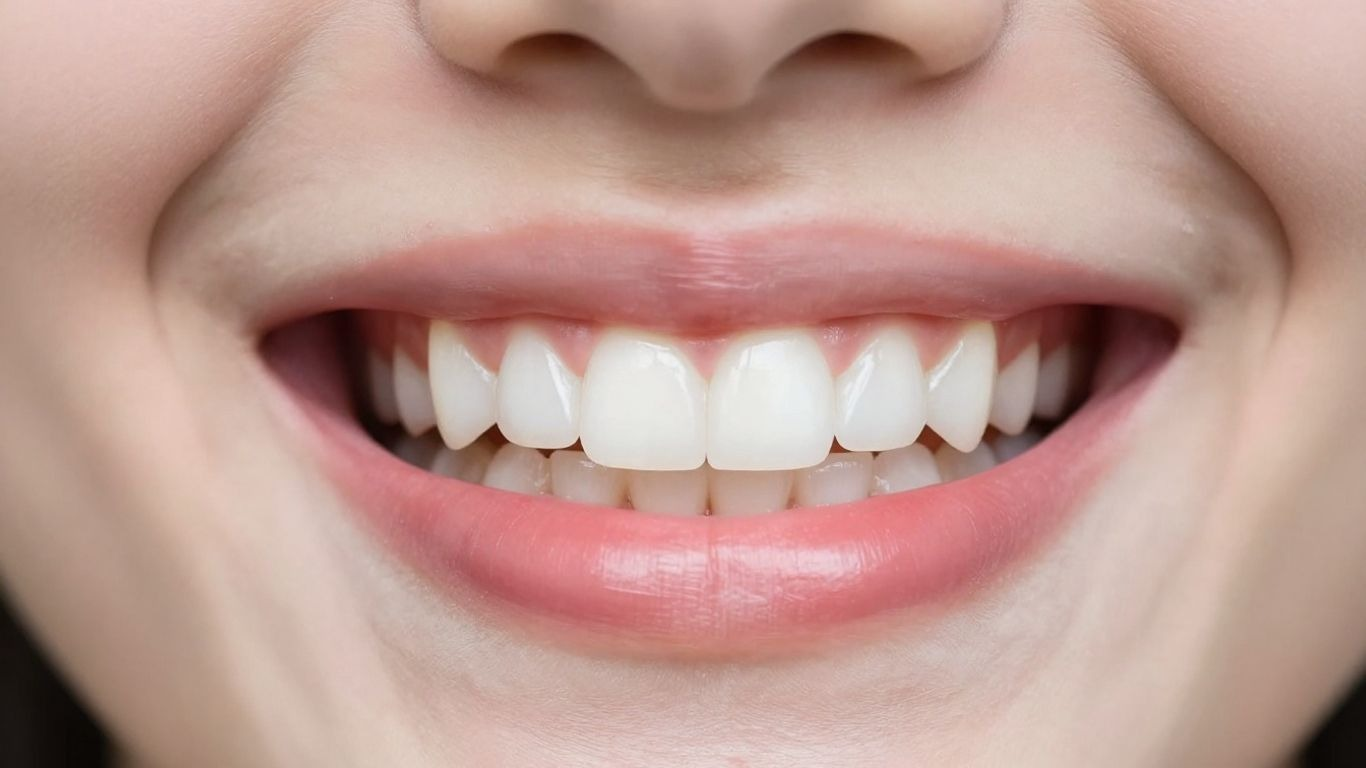
Early Signs of Gum Disease You Should Never Ignore
Your gums are pretty important, you know? We all focus on our teeth, but the gums hold everything together. If you're not taking care of them, gum disease can sneak up on you. It often doesn't hurt at first, which is the tricky part. But there are signs, and if you catch them early, you can avoid bigger problems down the road. This article is all about those early signs of gum disease you should never ignore.
Key Takeaways
- Bleeding gums during brushing or flossing are a common early warning sign of gum disease.
- Persistent bad breath that doesn't go away with regular hygiene could indicate an issue.
- Gums that look red, swollen, or feel tender are signs of inflammation that shouldn't be overlooked.
- Tooth sensitivity, especially to hot or cold, might mean your gums are receding and exposing tooth roots.
- Regular dental check-ups are vital for catching gum disease early, as it often lacks painful symptoms initially.
What Are the Early Signs of Gum Disease?
Okay, so let's talk about gum disease. It's one of those things that can sneak up on you because, honestly, it often doesn't hurt at first. Think of it like high blood pressure – you might feel fine, but there's something going on under the surface. Gum disease, also called periodontal disease, is basically an infection in the tissues that hold your teeth in place. It usually kicks off with plaque, that sticky stuff full of bacteria that builds up on your teeth. If you don't get rid of it, it can cause some real problems.
Common gum disease symptoms you should not overlook
So, what should you be looking out for? Don't just brush these off:
-
Persistent Bad Breath: You brush, you floss, you use mouthwash, and yet, that funky smell lingers. This is often the first clue. Bacteria love to hang out in your mouth, feasting on food bits, and they release stinky stuff. If your breath is consistently less than fresh, it's a sign those bacteria might be getting a bit out of hand.
-
Red, Swollen, or Bleeding Gums: Take a look in the mirror next time you brush. Are your gums looking a little red or puffy? Do they bleed easily when you brush or floss? This is a biggie. It means your gums are inflamed, and that's usually your body's way of saying "Hey, something's not right here!"
-
Tooth Sensitivity: Ever take a sip of something cold or bite into something sweet and feel a sharp twinge? That sensitivity can happen when your gums start to pull away from your teeth, exposing the more sensitive parts of your tooth. It's a sign that your gum health isn't what it should be.
Gingivitis signs vs. advanced gum disease: what's the difference?
Gingivitis is basically the opening act of gum disease. It's the mildest form, and the good news is, it's usually reversible if you catch it early. The main gingivitis signs are those red, swollen, and easily bleeding gums we just talked about. It's your gums telling you they're irritated by that plaque buildup.
Now, if you let gingivitis hang around and don't do anything about it, it can march on into periodontitis. This is the more serious, advanced stage. Here, the infection goes deeper, affecting the bone that supports your teeth. You might start noticing your gums actually pulling away from your teeth (gum recession), making your teeth look longer. Sometimes, teeth can even start to feel loose or shift around. That's when things get really serious, and you could be looking at permanent damage.
It's really important to remember that gum disease often doesn't come with pain, especially in the early stages. So, just because you don't feel anything doesn't mean everything is okay. Paying attention to these subtle early signs of gum disease is your best bet for keeping your smile healthy.
What Causes Bleeding Gums — And When Should You Worry?
Okay, so you're brushing your teeth, maybe flossing, and suddenly you notice a little pink in the sink. Bleeding gums. It's a pretty common thing, and honestly, most of us have probably been there. But here's the thing: while it might seem minor, it's often one of the first signals your gums are sending you that something's not quite right.
So, what's the deal with bleeding gums causes? Usually, it boils down to plaque. This sticky film of bacteria loves to hang out on your teeth, and if you don't get rid of it regularly with brushing and flossing, it starts to irritate your gums. Think of it like a tiny, persistent annoyance that makes your gums red, swollen, and, yep, prone to bleeding. This early stage is called gingivitis, and it's basically your gums saying, 'Hey, pay attention!'
Is bleeding gums always a sign of gum disease?
Not necessarily always, but it's definitely a big clue you shouldn't ignore. Sometimes, if you're new to flossing, your gums might bleed a bit for the first week or two as they get used to it. If you keep at it gently, that bleeding usually stops. However, if the bleeding continues even after a couple of weeks of consistent, gentle flossing, or if it happens every time you brush, that's when you really need to pay attention. It could be a sign that gingivitis has set in, or worse, that gum disease is progressing.
Here are a few things to consider:
- New to flossing? A little bleeding at first might be normal, but it should stop within a week or two.
- Brushing too hard? While possible, frequent bleeding is more likely a sign of irritation from plaque.
- Smoking? This is a tricky one. Smoking can actually mask the early signs of gum disease by reducing blood flow to your gums. So, you might not see the bleeding that others do, even if there's a problem brewing.
It's easy to think of bleeding gums as just a minor inconvenience, but your gums are trying to tell you something. Listening to these early signals can make a huge difference in preventing more serious problems down the line.
If your gums are consistently bleeding, it's time to book an appointment with your dentist. They can figure out exactly what's going on and help you get back on track to healthy gums.
Early Gingivitis Signs You Should Never Ignore
Okay, so you might be thinking, "Gum disease? That won't happen to me." But honestly, it's super common, and the early stages, called gingivitis, can sneak up on you. The good news is, it's usually pretty easy to fix if you catch it early. So, what should you be looking out for?
First off, don't brush off bleeding gums. If your gums bleed when you brush or floss, that's not just you being a bit too rough. It's often your gums telling you they're inflamed and irritated, which is a classic sign of gingivitis. Even if you've just started flossing and it bleeds a little, keep at it gently for a week or two. If it doesn't stop, though, it's time to see the dentist.
Another thing to pay attention to is persistent bad breath. We all get it sometimes, but if your breath is consistently stinky, even after brushing and using mouthwash, it could be more than just last night's garlic. Bacteria can build up in your mouth with gum disease, and that can cause some serious odor.
Have you noticed your teeth looking a bit longer lately? This can happen when your gums start to pull away from your teeth, a process called gum recession. It's a sign that the gum tissue is getting damaged, and it can make your teeth more sensitive too.
Speaking of sensitivity, if your teeth suddenly start hurting when you eat something hot or cold, that's another red flag. This sensitivity can pop up when the gum disease starts exposing the roots of your teeth.
Finally, keep an eye out for any puffiness or redness in your gums. If they look swollen or feel sore, your body is likely trying to fight off an infection. Ignoring these signs can lead to bigger problems down the line, like losing teeth. So, if any of this sounds familiar, it's probably a good idea to book that dental appointment sooner rather than later.
How to Prevent Gum Disease Before It Gets Worse
So, you've heard about gum disease and maybe even spotted some early signs. The good news? You can totally fight back and keep your gums healthy. Prevention is way easier (and cheaper!) than dealing with the aftermath. Let's talk about how to keep those gums in tip-top shape.
Daily habits that help prevent gum disease at home
This is where the real magic happens, right in your own bathroom. Making these simple habits part of your daily routine can make a huge difference. It’s not rocket science, just consistent effort.
- Brush your teeth like you mean it: Aim for at least twice a day, for two full minutes each time. Use a fluoride toothpaste – it’s your best friend for fighting cavities and keeping gums healthy. Don't forget to gently brush along the gum line where plaque loves to hide.
- Floss, floss, floss: Seriously, don't skip this. Flossing gets to all those spots your toothbrush can't reach, like between your teeth and under the gum line. If regular floss feels tricky, try floss picks or water flossers. Find what works for you and stick with it.
- Consider a mouthwash: An antimicrobial or fluoride mouthwash can be a good addition to your routine, especially if you struggle with plaque or have a history of gum issues. Just make sure it's not a replacement for brushing and flossing.
- Watch your diet: What you eat matters! Sugary drinks and snacks feed the bacteria that cause gum problems. Try to limit those and load up on fruits, veggies, and water. A healthy body generally means healthier gums.
Taking care of your gums is just as important as taking care of your teeth. They're connected, and a problem with one can quickly lead to a problem with the other.
When to see a dentist for gum disease symptoms?
Even with the best home care, regular dental visits are non-negotiable. Think of your dentist as your gum health detective. They can spot things you might miss and catch problems before they get serious.
- Routine check-ups are key: Most dentists recommend a cleaning and check-up every six months. This allows them to professionally clean your teeth, remove hardened plaque (tartar) that you can't remove at home, and check for any early signs of trouble.
- Don't wait if you notice something: If you're experiencing bleeding gums, persistent bad breath, red or swollen gums, or any tenderness, don't just wait for your next appointment. Call your dentist right away. Early detection and treatment are the most effective ways to manage gum disease and prevent it from getting worse.
- Talk about your risks: If you have certain health conditions like diabetes, smoke, or have a family history of gum disease, let your dentist know. They might recommend more frequent visits or specific preventive strategies tailored to you.
So, What's the Takeaway?
Alright, so we've talked about a few things to watch out for with your gums. Remember, bleeding when you brush or floss, that constant bad breath, or even if your teeth start looking a bit longer – these aren't just little annoyances. They're your mouth's way of sending up a flare. Ignoring them is like ignoring a check engine light on your car. It's way better to get it checked out by your dentist sooner rather than later. A quick visit now could save you a lot of trouble, and maybe even your teeth, down the road. Don't wait for things to get worse!
Frequently Asked Questions
-
What are the first signs that my gums might be unhealthy?
If your gums bleed when you brush or floss, that's a big clue! Also, watch out for gums that look red, puffy, or feel sore. Sometimes, just having breath that smells bad all the time, even after brushing, can be an early warning.
-
My gums bleed when I floss, should I stop?
Actually, you should keep flossing! Bleeding gums are a sign that something is wrong, but not flossing can make plaque build-up even worse. If the bleeding doesn't stop after a week or two of gentle flossing, it's time to see your dentist.
-
What's the difference between gingivitis and more serious gum disease?
Gingivitis is the early stage where gums get inflamed and might bleed, but no permanent damage is done. It can usually be fixed with good care. More serious gum disease, called periodontitis, damages the bone and tissues holding your teeth, and this damage can't be undone.
-
Can gum disease happen without any pain?
Yes, definitely! Gum disease often doesn't hurt, especially in the early stages. This is why it's so important to look for other signs like bleeding or bad breath, because you might not feel any pain until the disease is quite advanced.
-
Why do my teeth feel more sensitive now?
If your teeth suddenly feel sensitive to hot, cold, or even sweet things, it could be a sign of gum disease. As gums get unhealthy, they can pull away from your teeth, exposing the sensitive roots. This makes your teeth hurt when they come into contact with different temperatures or tastes.
-
What does it mean if my teeth look longer?
When your teeth start to look longer, it usually means your gums are shrinking back, or 'receding'. This is a sign that gum disease might be causing damage to the gum tissue, making it pull away from the base of your teeth. It's a good idea to see your dentist if you notice this.
Blog Post Author

Contributed by DentalROI
DentalROI provides relevant dental content to help providers educate patients. The statements, services, and products referenced in this article have not been evaluated by the Food and Drug Administration, and they are not intended as a substitute for professional medical advice, diagnosis, or treatment. Always seek the advice of your dental provider with any questions or issues you may have. Specific recommendations may vary in different circumstances, so individual consultation is important.





 Facebook
 Twitter
 Google
 YouTube