


Difference Between Dental Implants & Mini Dental Implants
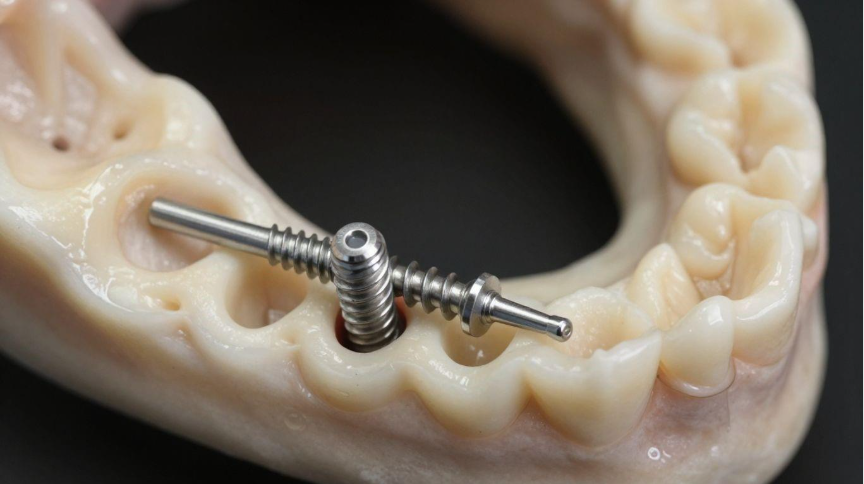
When it comes to replacing missing teeth, folks often wonder about the differences between standard dental implants and their smaller cousins, mini dental implants. While both aim to give you back your smile and chewing ability, they aren't quite the same. Understanding how mini implants work and the distinctions between mini implant or standard implant options can help you figure out what's best for your situation. Let's break down traditional dental implants vs. mini dental implants, looking at the pros and cons of mini dental implants vs traditional dental implants, and what are mini dental implants really all about.
Key Takeaways
- Mini dental implants are smaller, typically less than 3 mm wide, while traditional implants are usually between 3.75 to 5 mm or more.
- Mini implants often require less bone density, making them a good option when bone loss has occurred and bone grafting isn't preferred.
- The procedure for mini implants is generally less invasive, can sometimes be done in a single visit, and often has a quicker recovery time compared to traditional implants.
- Traditional implants are generally stronger and may offer more long-term durability, especially for replacing back teeth or when significant bite force is expected.
- The choice between a mini implant or standard implant depends on individual factors like bone health, the number of teeth to be replaced, budget, and the patient's specific needs and goals.
What Are Dental Implants?
Dental implants are a way to replace missing teeth. Think of them as artificial tooth roots that a dentist surgically places into your jawbone. They provide a solid base for new teeth, whether that's a single crown, a bridge, or even a full set of dentures.
The main goal is to give you back the ability to chew normally and have a smile that looks and feels natural.
Here's a quick look at how they generally work:
- Placement: A small post, usually made of titanium, is inserted into the jawbone where your tooth used to be.
- Osseointegration: This is the important part where your jawbone actually grows around the implant, making it a very stable part of your mouth. This process can take a few months.
- Abutment: Once the implant is secure, a small connector piece called an abutment is attached to it.
- Restoration: Finally, a replacement tooth (crown), bridge, or denture is attached to the abutment.
Traditional dental implants are designed to be strong and last a very long time, often for decades, if cared for properly. They're a great option when you have enough healthy jawbone to support them. They can handle the forces of chewing just like your natural teeth, so you can eat most foods without worry.
While the process involves surgery and a healing period, the outcome is a stable, long-lasting solution for missing teeth that can significantly improve your quality of life.
What Are Mini Dental Implants?
So, what exactly are mini dental implants? Think of them as a smaller version of the standard dental implant. They are designed to be thinner, typically measuring between 2 to 3 millimeters in diameter, compared to their traditional counterparts which usually range from 4 to 6 millimeters. This size difference is the main thing that sets them apart.
How Mini Implants Work is pretty straightforward. They function similarly to regular implants by providing a stable base for replacement teeth. However, because they are smaller, the placement procedure is often less invasive. This can be a big deal for people who might not be good candidates for traditional implants due to bone loss or other health reasons.
Mini implants are a great option for stabilizing dentures, making them feel much more secure. They can also be used for single tooth replacements, especially in areas where there might not be enough space or bone for a larger implant.
Here are some common reasons why a dentist might suggest mini dental implants:
- When there isn't enough jawbone density for traditional implants.
- For replacing front teeth.
- To support dental bridges or crowns.
- In cases where a less invasive procedure is preferred.
Mini dental implants offer a way to restore your smile and improve chewing function, often with a simpler procedure than traditional implants. They are a versatile solution for various dental needs.
When considering Mini Implant or Standard Implant?, it's important to talk with your dentist. They can assess your specific situation and help you figure out what's best. For many, mini dental implants provide a reliable way to achieve a more comfortable and functional smile, especially when bone loss is a concern stabilizing loose dentures.
Key Differences Between Dental Implants and Mini Dental Implants
When considering tooth replacement, understanding the differences between traditional dental implants and mini dental implants is pretty important. While both aim to replace missing teeth, they aren't quite the same. Think of it like choosing between a standard screw and a smaller, specialized one – they do similar jobs, but their applications and how you use them can be quite different.
The most noticeable difference is size. Traditional implants are generally wider, typically measuring between 3.75 to 5 mm in diameter. Mini dental implants, on the other hand, are significantly narrower, usually less than 3 mm across. This size difference impacts everything from the procedure itself to the types of situations where each is best suited.
Here's a quick rundown of the main distinctions:
- Bone Requirements: Traditional implants usually need a good amount of healthy jawbone to anchor them securely. If there's not enough bone, a bone graft might be necessary first. Mini implants, because they're smaller, often require less bone and can sometimes be an option when bone density is a concern, potentially avoiding the need for grafting.
- Procedure: Placing traditional implants is generally a more involved surgical process. Mini implants, due to their smaller size and less invasive placement, often mean a simpler, quicker procedure with potentially less recovery time.
- Stability and Longevity: Traditional implants, with their larger size and integration into the bone, are typically designed for maximum stability and long-term support for crowns, bridges, or even full sets of teeth. Mini implants are often used for more temporary solutions, like stabilizing dentures, or for replacing single teeth in areas where a traditional implant might be too large or difficult to place.
- Application: Traditional implants are the go-to for replacing most missing teeth, offering robust, permanent solutions. Mini implants are frequently used for stabilizing lower dentures, replacing smaller teeth, or in tight spaces where traditional implants wouldn't fit.
It's not really a matter of one being 'better' than the other. It's more about finding the right tool for the specific job. What works perfectly for one person's needs might not be the best fit for someone else's.
When weighing the pros and cons of mini dental implants versus traditional implants, it really comes down to your individual oral health, the specific teeth needing replacement, and your dentist's recommendation based on a thorough examination. The goal is always to find the most stable, comfortable, and long-lasting solution for your smile.
Benefits of Implant-Based Tooth Replacement
Choosing an implant-based solution for missing teeth brings a lot of good things to the table. For starters, implants are designed to last, often for a lifetime with proper care. This means you're not just fixing a problem for today, but investing in your smile for years to come. They also help keep your jawbone healthy. When you lose a tooth, the bone underneath can start to shrink away, but implants act like natural tooth roots, sending signals to your bone to stay strong and healthy. This helps prevent that sunken look that can happen when you lose teeth.
Another big plus is how they feel and function. Once everything is healed, implants are meant to feel just like your own teeth. You can eat, speak, and laugh with confidence, without worrying about them shifting or coming loose. This restoration of function is a huge deal for many people.
Here are some of the main advantages:
- Preserves Jawbone: Implants stimulate the jawbone, preventing the bone loss that naturally occurs after tooth loss.
- Long-Term Solution: With good care, implants can last a lifetime, offering a durable and stable replacement for missing teeth.
- Restores Chewing Ability: They allow you to eat your favorite foods without discomfort or restriction, much like natural teeth.
- Improves Appearance: Implants look and feel natural, contributing to a more youthful and confident appearance.
- Convenience: Unlike dentures, implants don't require special removal for cleaning and don't rely on adhesives.
Implant-based tooth replacement is a significant step towards regaining full oral function and confidence. The process aims to mimic natural teeth as closely as possible, providing a stable foundation that supports both chewing and speech while also contributing to facial structure.
While the initial investment might seem higher, the long-term benefits and durability often make them a more cost-effective choice over time compared to other tooth replacement options. They are a stable foundation for dentures, crowns, and bridges, improving chewing ability and aesthetics mini dental implants offer a less invasive and more affordable alternative.
Factors That Determine Which Option Is Right for You
Deciding between traditional dental implants and mini dental implants isn't a one-size-fits-all situation. It really comes down to what works best for your specific mouth and your overall health. Think of it like choosing the right tool for a job – you wouldn't use a tiny screwdriver for a huge bolt, right?
Several things play a role in this decision. Your jawbone's condition is a big one. Traditional implants usually need a good amount of bone to anchor into securely. If there isn't enough bone, or if it's not dense enough, a bone graft might be needed first. Mini implants, on the other hand, are smaller and can sometimes be placed even when there's less bone available. This is why a thorough examination, often including 3D scans, is so important.
Here are some key points to consider:
- Bone Density and Volume: This is probably the most significant factor. A dentist will assess how much and how strong your jawbone is where the implant will go.
- The Number and Location of Missing Teeth: Are you replacing a single tooth in a tight spot, or do you need to support a full set of dentures? Mini implants might work for smaller gaps, while traditional implants often provide better stability for larger areas.
- Chewing Force and Bite Strength: If you have a strong bite or tend to grind your teeth, traditional implants generally offer more robust support and can handle more pressure over the long term.
- Long-Term Goals: What do you hope to achieve? If you're looking for the most durable, long-lasting solution that can help preserve your jawbone and facial structure for decades, traditional implants are often the preferred choice. Mini implants can be a great option for temporary fixes or specific situations.
- Overall Health and Medical History: Certain health conditions or medications can affect healing and bone health, which your dentist will take into account.
The best implant choice is always a personalized one. It's about finding a solution that fits your unique needs, supports your oral health for years to come, and helps you feel confident with your smile.
Ultimately, the best way to figure out which type of implant is right for you is to have a detailed conversation with your dentist. They can explain the pros and cons based on your individual situation and help you make an informed choice for your smile restoration.
Making Your Choice
So, you've learned a bit about both regular dental implants and their smaller cousins, mini dental implants. It's clear they both aim to help you get back to chewing and smiling comfortably, but they go about it a little differently. Regular implants are generally the go-to for a really solid, long-term fix, especially if you've got good bone structure. Mini implants, on the other hand, can be a great option if bone loss is a concern, or if you're looking for a less involved procedure, maybe to help stabilize dentures. Ultimately, the best choice for you really depends on your specific situation. Talking things over with your dentist is the most important step to figure out which path leads to your happiest, healthiest smile.
Frequently Asked Questions
What is the main difference between regular dental implants and mini dental implants?
The biggest difference is their size. Regular implants are wider, usually between 4 to 6 millimeters, while mini implants are much narrower, typically only 2 to 3 millimeters across. This size difference affects how they are used and placed.
Can mini dental implants be used for any missing tooth?
Mini implants are often great for supporting dentures, especially lower ones, or for replacing front teeth and teeth in smaller spaces. They might not be strong enough for back teeth where chewing forces are higher.
Do I need a lot of bone to get regular dental implants?
Yes, regular dental implants generally need a good amount of jawbone to be placed securely. If there isn't enough bone, a bone graft might be needed, or a dentist might suggest mini implants instead.
Is the surgery for mini dental implants less painful?
The procedure for placing mini implants is usually less invasive. This means it often involves less drilling and can sometimes be done in a single visit without needing stitches, which can lead to a quicker and more comfortable recovery for many patients.
How long do mini dental implants typically last?
Mini dental implants can last for many years, often five to ten years or more, with proper care. However, they might not be as strong as regular implants, especially in areas with heavy chewing.
Which type of implant is better for me?
The best choice depends on your specific situation, like how much bone you have, where the missing teeth are, and your budget. A dentist will look at your mouth and discuss the pros and cons of both options to help you decide.
Blog Post Author

Contributed by DentalROI
DentalROI provides relevant dental content to help providers educate patients. The statements, services, and products referenced in this article have not been evaluated by the Food and Drug Administration, and they are not intended as a substitute for professional medical advice, diagnosis, or treatment. Always seek the advice of your dental provider with any questions or issues you may have. Specific recommendations may vary in different circumstances, so individual consultation is important.




 Facebook
 Twitter
 Google
 YouTube