


Dental Implants for Bottom Dentures?
.png)
Losing teeth in the lower jaw can be a real hassle. Traditional dentures often don't stay put, making it tough to eat, speak, and just feel confident. Many people wonder if dental implants are the answer for bottom dentures. The good news is, they often are! Dental implants offer a much more stable and comfortable way to secure your lower smile. Let's explore what that means for you.
Key Takeaways
- Bottom dentures are notoriously difficult to keep stable due to the shape of the lower jaw and lack of suction, leading to discomfort and functional issues for many patients.
- Dental implants act like artificial roots, providing a secure anchor for lower dentures, significantly improving stability, chewing efficiency, and confidence.
- Various implant solutions exist for lower dentures, including standard implants supporting fixed bridges or overdentures, and mini dental implants for less invasive stabilization.
- Candidates for implant-supported lower dentures include those experiencing instability with traditional dentures, significant tooth loss, or even some cases of bone loss.
- The process typically involves a consultation, implant placement surgery, a healing period for osseointegration, and finally, the attachment of the custom-made denture.
Understanding Dental Implants and Their Role in Denture Support
When people lose teeth, especially on the lower jaw, traditional dentures can sometimes feel a bit wobbly. This is because the lower jaw doesn't have the same natural suction as the upper jaw, making it harder for dentures to stay put. This is where dental implants come in. Think of implants as tiny, sturdy anchors placed directly into your jawbone. They provide a solid foundation for your dentures, making them much more stable and secure.
Unlike regular dentures that just sit on top of your gums, implant-supported dentures are attached to these implants. This connection makes a big difference in how they feel and function. It's like having a set of teeth that are much more like your own.
- Stability: Implants prevent your lower denture from shifting or moving, especially when you're eating or talking.
- Bone Health: When you lose teeth, the jawbone can start to shrink. Implants help stimulate the bone, which can slow down this process.
- Functionality: With a more secure fit, you can chew more effectively and enjoy a wider variety of foods.
Essentially, dental implants act as a bridge between your jawbone and your denture, giving you a more reliable and comfortable tooth replacement solution. It's a way to get back a lot of the confidence and ease that comes with having natural teeth.
Types of Implant Solutions for Bottom Dentures
When it comes to replacing missing teeth in the lower jaw, especially if you're dealing with a full set of dentures that just won't stay put, there are a few main ways dental implants can help. It's not a one-size-fits-all situation, and what works best often depends on your specific needs and the condition of your jawbone.
One common approach involves using what are often called endosteal implants. These are the most traditional kind, where small, screw-like posts are surgically placed directly into the jawbone. Think of them as artificial tooth roots. Once these implants have healed and fused with the bone, they provide a really solid base. Dentures can then be attached to these implants, either permanently or in a way that allows you to remove them for cleaning. For a full lower denture, you might need anywhere from two to four implants to get enough stability.
Another option, sometimes used when there's less bone available or for a less invasive procedure, involves smaller implants, often referred to as mini implants. These are thinner than traditional implants and can sometimes be placed without extensive bone grafting. They are particularly useful for stabilizing removable dentures, giving them a much-needed anchor so they don't shift around.
- Overdentures: These are removable dentures that snap onto implants. Typically, 2 to 4 implants are used, providing significantly better retention than traditional dentures. You can take them out to clean them, but they stay firmly in place when you're wearing them.
- Fixed Dentures/Bridges: These are non-removable prosthetics that are permanently attached to the implants. This option usually requires more implants, often 4 to 6, to support the entire arch of teeth. They look and feel very much like natural teeth.
The choice between these types of implant solutions really comes down to a personalized assessment. Factors like your bone density, the number of teeth missing, and your overall health all play a role in determining the most suitable plan for a stable and comfortable smile.
Key Benefits of Dental Implants for Bottom Dentures
When considering solutions for missing lower teeth, the question of "Are Dental Implants the Best Solution for Bottom Dentures?" often comes up. Traditional lower dentures can be notoriously difficult to stabilize, leading to discomfort and functional issues. This is largely because the lower jaw doesn't have the natural suction that helps stabilize upper dentures. Fortunately, dental implants offer a way to overcome these challenges.
Dental implants provide a secure and stable foundation for lower dentures, dramatically improving chewing ability and confidence. Unlike conventional dentures that rely on gravity and friction, implant-supported dentures are anchored directly into the jawbone. This means no more worrying about your denture shifting while you eat, speak, or laugh.
- Enhanced Stability: This is perhaps the biggest benefit. Implants lock your denture in place, preventing the common issues of slippage and movement that make eating and speaking difficult with traditional lower dentures. This improved stability allows for a more natural feel and function.
- Improved Chewing Efficiency: Studies suggest that chewing efficiency can increase significantly with implant-supported dentures, moving from around 25-30% with traditional dentures to 60-80% with implants. This means you can enjoy a wider variety of foods again.
- Bone Preservation: When teeth are lost, the jawbone can begin to shrink, a process known as resorption. Dental implants stimulate the jawbone, much like natural tooth roots, which helps to prevent this bone loss. This preservation is vital for maintaining facial structure and supporting the fit of your dentures long-term.
- Increased Comfort and Confidence: With a stable denture, you can speak more clearly and eat without discomfort or embarrassment. Many patients report a significant boost in their self-esteem and overall quality of life.
- Long-Term Solution: Dental implants are designed to be a durable, long-lasting solution. Mandibular implants, in particular, often show high survival rates due to the dense nature of the lower jawbone. This means fewer adjustments and replacements over time compared to other options.
Who May Be a Candidate for Implant-Supported Lower Dentures?
So, you're thinking about getting dental implants to help with your bottom dentures? That's a smart move, especially if you've been dealing with the usual frustrations of lower dentures.
Generally, if you're healthy enough for a tooth extraction, you're likely a good candidate for implant-supported dentures. This means having enough healthy jawbone is pretty important, as the implants need a solid base to anchor into. Even if there's been some bone loss, there are often ways to address that, like bone grafting, to make implant placement possible.
- Complete Tooth Loss: If you're missing all your lower teeth, traditional dentures can be notoriously unstable. Implants offer a much more secure and comfortable solution.
- Struggling with Current Dentures: Many people find their lower dentures slip, making it hard to eat, speak, or even feel confident. If this sounds like you, implants could be a game-changer.
- Partial Tooth Loss: Even if you haven't lost all your teeth, if the remaining ones are damaged or you have gaps, implants can prevent further shifting and bone loss.
- Discomfort and Sores: If your current dentures cause pain or sores on your gums, the improved fit and stability from implants can make a huge difference.
It's worth noting that age or conditions like osteoporosis usually aren't deal-breakers for implant success. The key is a thorough evaluation by a dental professional to see if your specific situation is right for this kind of treatment. They'll look at your bone density and overall oral health to figure out the best plan for you.
The Step-by-Step Process for Getting Implant-Supported Bottom Dentures
Getting implant-supported dentures for your lower jaw is a journey that typically involves several stages, all aimed at creating a stable and comfortable replacement for missing teeth. It's not an overnight fix, but the results can be quite life-changing.
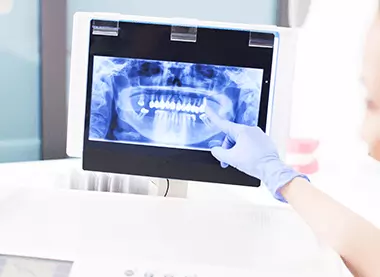
First things first, you'll have a thorough consultation. This is where the dental professional really gets to know your situation. They'll do a detailed examination of your mouth, take X-rays, and possibly a CT scan. This imaging is super important for checking out your jawbone's density and volume, making sure there's enough good bone to support the implants. They'll also chat with you about your medical history and what you're hoping to achieve with the implants.
Once it's decided that implants are the way to go, the next step is the actual placement of the implants. This is a surgical procedure where small titanium posts are carefully inserted into your jawbone. It's usually done with local anesthesia, and sometimes sedation is an option. After the implants are in place, your gums will be stitched up.
Then comes a waiting period, often called osseointegration. This is a critical phase that can take anywhere from three to six months. During this time, your jawbone actually fuses with the titanium implants, creating a solid foundation. It's like the bone is growing around the implant, making it a permanent part of your jaw.
After the bone has healed and integrated with the implants, you'll return for another appointment. This is when abutments are attached to the top of the implants. These abutments act as connectors between the implants and your new denture. Impressions are taken to ensure the denture fits perfectly over these abutments.
Finally, your custom-made lower denture is fitted and attached. This denture will snap or clip onto the abutments, providing a secure fit that traditional dentures just can't match. You'll likely have a few follow-up appointments to make sure everything is settling in well and to make any minor adjustments needed.
A More Stable Smile Awaits
For many people, traditional lower dentures just don't cut it. They can slip, make eating difficult, and just generally be a hassle. That's where bottom dental implants really shine. They give your lower denture a solid anchor, making a huge difference in how well you can chew, speak, and just feel confident throughout the day. While the idea of implants might seem a bit much at first, they're a proven way to get a much more stable and comfortable smile, especially for the lower jaw. If you've been struggling with your lower denture, it's definitely worth talking to a dental professional about how implants could help you.
Frequently Asked Questions
Why are lower dentures often a problem for people?
Traditional lower dentures can be quite tricky because they rely only on your gums and saliva to stay in place. The lower jawbone also tends to shrink over time, making the denture feel loose and wobbly. This can make it hard to eat, speak clearly, and feel confident.
How do dental implants help with lower dentures?
Dental implants are like small titanium posts that are placed into your jawbone. They act as strong anchors for your denture. This means your lower denture can snap or lock onto these implants, making it much more stable and secure. You won't have to worry about it moving around anymore.
Can I get implants even if I've lost a lot of jawbone?
In many cases, yes! Even if some jawbone has shrunk, there are options. Dentists can use special imaging to plan the implant placement carefully, sometimes using smaller implants or bone grafting techniques to create a solid base for them.
What's the process like to get implant-supported lower dentures?
It usually starts with a visit to your dentist for a check-up and imaging. Then, implants are surgically placed into the jawbone. After a healing period of a few months, where the bone fuses with the implants, your new, stable denture is attached.
How many implants are typically needed for lower dentures?
For a full set of lower teeth, dentists often use between two to six implants. The exact number depends on your specific jawbone condition and the type of denture you'll be getting. More implants generally mean a stronger, more stable result.
Are implant-supported dentures a good long-term solution?
Absolutely. Dental implants are designed to last for many years, often decades. They also help preserve your jawbone, which is something traditional dentures can't do. This means a more comfortable, functional, and confident smile for the long haul.
Blog Post Author

Contributed by DentalROI
DentalROI provides relevant dental content to help providers educate patients. The statements, services, and products referenced in this article have not been evaluated by the Food and Drug Administration, and they are not intended as a substitute for professional medical advice, diagnosis, or treatment. Always seek the advice of your dental provider with any questions or issues you may have. Specific recommendations may vary in different circumstances, so individual consultation is important.




 Facebook
 Twitter
 Google
 YouTube